Textures, Geometric Compositions, and Light on the Canvas. 🏛️ However, from strict drone restrictions to the flying sands of the Sahara Desert, capturing this ancient land requires more than just a keen eye—it demands a well-thought-out strategy. 🗺️
Whether you’re a professional landscape artist or a cultural photography enthusiast, this comprehensive guide will walk you through all the essentials for capturing the timeless beauty of Egypt in 2026.
1. ⚖️ Understand Egyptian Photography Laws and Permits
Before packing your gear, you must familiarize yourself with the local regulations. In recent years, Egypt’s tourism board has become more photographer-friendly, but to protect national heritage, strict restrictions remain. 🛡️
🚫 Drone Ban: Egypt strictly prohibits tourists from bringing drones. Do not attempt to sneak one through; they are usually confiscated at Cairo International Airport customs.
📸 Tripod Permit: While most archaeological sites now allow personal photography with DSLR or mirrorless cameras, using a tripod typically requires an additional permit (available at the ticket counter). 🎫
🎥 Professional vs. Personal: If you bring bulky movie cameras or excessive lighting equipment, you may be classified as doing “commercial photography,” which incurs high fees. For most photographers, a streamlined professional mirrorless system is ideal.
2. 📅 Photographer’s Exclusive 12-Day Visual Exploration Itinerary
To capture Egypt’s diversity, your route must balance ancient geometric aesthetics with natural landscapes. 🏜️
Days 1-3: Cairo and Giza
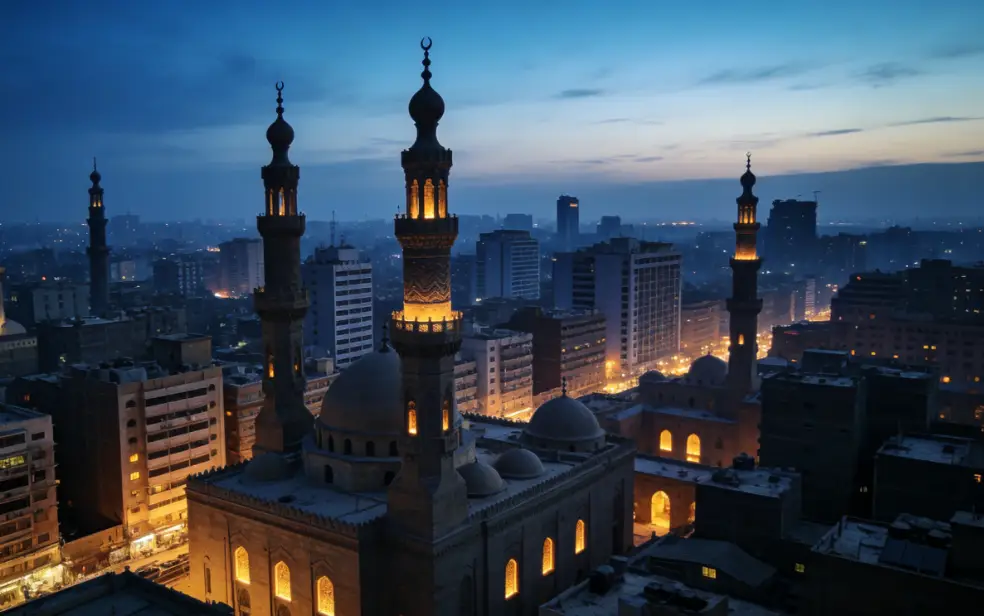
Focus on the alignment of the Giza Pyramids and the captivating street life of Islamic Cairo. 🕌
Days 4-5: White Desert
A 5-hour drive from Cairo leads you into a lunar-like world. It’s a perfect spot for astro-photography. 🌌
Days 6-8: Luxor
Morning visits to the Valley of the Kings and evening time at the Luxor Temple. The symmetrical architecture here is a photographer’s dream. 🏺
Days 9-10: Aswan and Abu Simbel
Capture the vibrant Nubian villages and the giant statues of Ramses II. 🚣♂️
Days 11-12: Red Sea
Head to Dahab or Hurghada, gear up with an underwater camera housing to capture vibrant coral reefs. 🤿
3. 📍 Top Shooting Locations and Golden Hours
🌅 Giza Plateau (Sunrise vs. Sunset)
While most tourists arrive at 10 AM, the best light is around 7 AM.
Pro Tip: Head to the dunes behind the 9 Pyramids Lounge for a classic shot of the five pyramids in alignment. Use a telephoto lens (70-200mm) to compress the space between the pyramids and make them appear more monumental. 🐪
🏛️ Karnak Temple: Playing with Light and Shadows
Karnak is the largest religious complex in human history.
Shooting Tip: Arrive early to capture the sunlight streaming through the Great Hypostyle Hall—the shifting shadows on the 134 massive stone columns are a photographer’s dream. ✨
🏮 Islamic Cairo
For street photographers, Al-Muizz Street is a must-visit. The Mamluk architecture and busy artisan life offer countless “decisive moments.” ☕
4. 📐 Composition Strategies in Chaotic Environments
Egypt’s landmarks are often overcrowded, so capturing pure images requires a bit of finesse:
🖼️ Framing: Use the dark silhouettes of temple doorways to frame the sunlit obelisks in the distance. This adds depth and helps obscure the tourists around the edges.
⏳ Long Exposure Magic: If you have a tripod permit, use a 10-stop ND filter during the day. A 30-second long exposure will “erase” moving tourists, leaving you with an ethereal, monumental shot of the pyramids.
📉 Low-Angle Perspective: When photographing the Sphinx, get as close to the ground as possible. This avoids modern fences and lets the monument stand tall against the sky.
5. 🎒 Essential Gear for the Sahara Environment
Egypt’s environment is harsh—high temperatures, dust, and fine sand are the enemies of your photography gear. 🌡️
Gear Checklist & Why You Need It
🕶️ Adjustable ND Filter: A must-have for shooting in the intense sunlight of the Sahara with wide apertures.
🛡️ Weather-Sealed Camera Bodies: Dust is everywhere—choose a weather-sealed body to protect the sensor.
📸 Large-Aperture Prime Lens: Perfect for shooting inside the dimly lit tombs (e.g., $35mm$ $f/1.8$).
🌬️ Powerful Air Blower: Never swap lenses in the wind. Always clean your sensor daily.
6. 💡 Mastering Light in the Sahara
The sunlight in Egypt can be extremely harsh. After 10 AM, the light is usually too “harsh,” creating deep, unattractive shadows. ☀️
🌙 Cairo’s Blue Hour: After sunset, don’t rush to put away your camera. The city lights, coupled with the deep blue sky, offer a cinematic feel for street photography with a wide-aperture lens.
🌪️ Using Dust as a Medium: Don’t fear the desert haze. The fine dust in the air scatters the light, creating an ethereal atmosphere during the golden hour. Enhance these warm tones in post-processing for that National Geographic quality.
7. 🤝 Cultural Etiquette: Capturing the Human Element
Egyptians are generally very photogenic and friendly, but etiquette is crucial:
🙋♂️ Ask Before Shooting: A simple “May I?” or the Arabic phrase “Mumkin sura?” (Can I take a photo?) will earn you respect and more opportunities for candid shots.
💵 Tipping Culture (Baksheesh): If you take posed photos of local vendors or camel drivers, it’s customary to give a small tip (about 20-50 EGP).
⚠️ Sensitive Areas: Absolutely avoid photographing military, police, or government buildings. Authorities are very sensitive about this and may ask you to delete your photos. 👮♂️
8. ❓ Frequently Asked Questions (FAQ)
Q: Can I use my phone for photos? 📱
A: Absolutely. Security is least strict when it comes to phones, making it the easiest and most discreet way to capture moments.
Q: How should I back up my photos in Egypt? 💻
A: Hotel Wi-Fi is often slow, so don’t rely on cloud backups. It’s best to bring two rugged portable SSDs and back up your photos every night. 💾
Conclusion 🏁
Photography in Egypt is a challenging but incredibly rewarding endeavor. It tests your patience and adaptability to the environment. But when you see the silhouette of a camel caravan against a backdrop of a 4,000-year-old civilization, you’ll realize that every effort was worth it. 🌟
Are you planning your first photography trip to Cairo? 👇 Share your gear list in the comments below, and I’ll help you with any questions you have about permits or shooting locations!