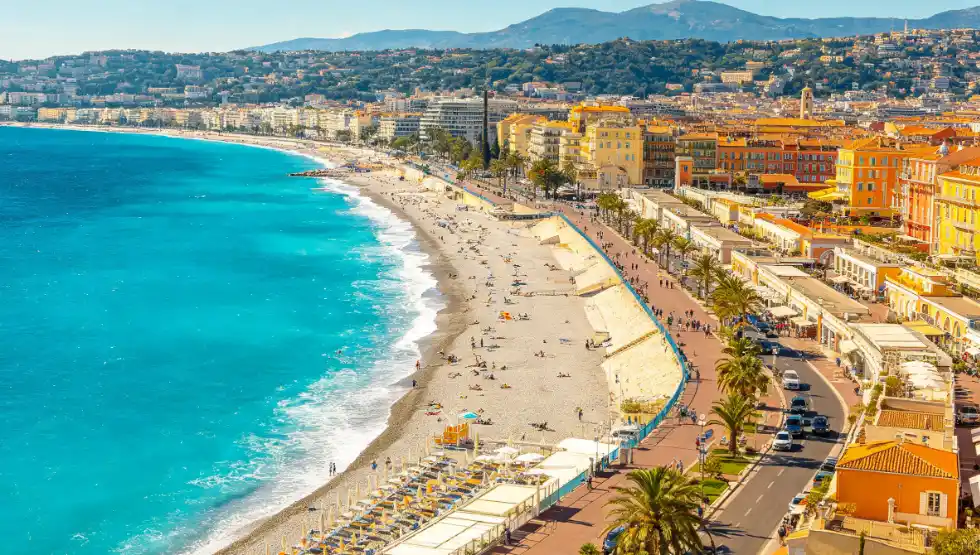
Nestled along the sun-drenched shores of the Mediterranean, Nice is more than just a postcard-perfect destination—it’s a vibrant tapestry of culture, history, and natural beauty that has captivated travelers from across the globe for centuries. As the crown jewel of the French Riviera (Côte d’Azur), this coastal gem balances glamorous seaside living with authentic Provençal charm, making it a beloved spot for travelers seeking both relaxation and adventure. Whether you’re planning a week-long escape, a romantic weekend, or a family vacation, this comprehensive guide will help you navigate Nice like a local, uncover hidden gems, and make the most of your time in one of France’s most enchanting cities.
Unlike some overcrowded tourist hotspots, Nice offers a perfect blend of luxury and accessibility, where five-star resorts sit alongside cozy family-run bistros, and designer boutiques share streets with bustling local markets. From the iconic Promenade des Anglais to the winding cobblestone lanes of the Old Town, every corner of Nice tells a story—one of Greek settlers, Italian influences, aristocratic retreats, and artistic inspiration. Picasso, Matisse, and Chagall all drew creativity from this city’s light; Queen Victoria and European nobility once flocked here to escape harsh winters; and today, it remains a destination that feels both timeless and modern, welcoming travelers of all styles and budgets.
In this guide, we’ll cover everything you need to know to plan your perfect trip to Nice: the best time to visit, how to get around, top attractions (both famous and hidden), where to eat like a local, accommodation options for every budget, day trips to nearby gems, and essential travel tips to ensure a smooth and unforgettable experience. Whether you’re a beach lover, a history buff, a foodie, or an art enthusiast, Nice has something to offer—and this guide will help you find it.
1. Why Nice? The Allure of the French Riviera’s Crown Jewel
Before diving into the details, let’s answer the question: Why should you choose Nice for your next trip? For travelers, Nice checks all the boxes of a dream destination—and then some. Here’s what makes it stand out:
- Unbeatable Climate: With over 300 days of sunshine per year, Nice boasts a mild Mediterranean climate that makes it a year-round destination. Summers are warm (but not sweltering, thanks to sea breezes), winters are mild (averaging 13°C/55°F), and spring and fall offer perfect weather for exploring without the crowds. It’s no wonder the city was once known as a “winter resort” for European aristocrats seeking sun during the cold months.
- Stunning Natural Beauty: Surrounded by the Alps to the north and the sparkling Mediterranean to the south, Nice’s landscape is breathtaking. The iconic Baie des Anges (Bay of Angels) curves like a pair of wings, its crystal-clear blue waters contrasting with the pastel-colored buildings that line the shore. Castle Hill offers panoramic views of the city and sea, while nearby hills and villages provide endless opportunities for hiking and scenic drives.
- Rich Culture & History: Nice’s history is a melting pot of influences, from its Greek origins (founded as Nikaia in 350 BCE) to its time as part of Italy (until 1860) and its current role as a global cultural hub. This mix is evident in everything from the architecture (Baroque churches, Italian-style piazzas) to the cuisine (a blend of Provençal and Italian flavors) and the local dialect (Nissart, a Occitan language with Italian roots).
- World-Class Art & Culture: Nice has long been a haven for artists, thanks to its soft, golden light and stunning scenery. The city is home to world-class museums, including the Matisse Museum, the Chagall National Museum, and the Museum of Modern and Contemporary Art (MAMAC), showcasing works by some of the 20th century’s greatest artists. Annual festivals, like the Nice Carnival (one of the largest in Europe) and the Nice Jazz Festival, add to the city’s vibrant cultural scene.
- Delicious Cuisine: Nice’s food is a celebration of fresh, local ingredients—think sun-ripened tomatoes, olive oil, fresh seafood, and aromatic herbs. From iconic dishes like Salade Niçoise and Socca to sweet pastries like Tourte de Blettes, the city’s culinary scene is both authentic and diverse. Whether you’re dining at a Michelin-starred restaurant or grabbing a street food snack from a market stall, you’ll taste the essence of the Mediterranean and Provençal traditions.
- Perfect Location for Day Trips: Nice is the ideal base for exploring the rest of the French Riviera. From the glitz and glamour of Monaco (just 20km away) to the charming hilltop village of Èze, the coastal town of Cannes, and the perfume capital of Grasse, there are endless day trips that showcase the best of the region. Whether you’re looking for luxury, history, or natural beauty, you’ll find it within a short drive or train ride from Nice.
2. When to Visit Nice: Choose the Perfect Time for Your Trip
Nice is a year-round destination, but the best time to visit depends on your preferences—whether you’re seeking beach days, quiet exploration, or festival vibes. Here’s a breakdown of each season to help you decide:
Spring (March–May): The Sweet Spot for Mild Weather & Fewer Crowds
Spring is one of the best times to visit Nice. The weather warms up (temperatures range from 15°C to 22°C/59°F to 72°F), the flowers are in bloom (especially in the city’s parks and gardens), and the crowds are still manageable. This is the perfect time for exploring the Old Town, hiking in the nearby hills, or strolling along the Promenade des Anglais without the summer rush. March brings the end of winter, with occasional light rain, but by May, the sun is shining, and the sea is starting to warm up (though still a bit cool for swimming). Spring is also a great time for budget travelers, as accommodation prices are lower than in summer, and you’ll have more flexibility with bookings.
Key events in spring: Nice Cherry Blossom Festival (March), Nice Jazz Festival (May, though dates vary), and the Cannes Film Festival (late May—perfect for a day trip to Cannes).
Summer (June–August): Beach Days & Vibrant Energy
Summer is Nice’s peak tourist season, and for good reason. Temperatures hover between 25°C and 30°C (77°F to 86°F), the sea is warm (22°C to 26°C/72°F to 79°F), and the city is alive with energy. This is the time to soak up the sun on the beach, enjoy outdoor dining, and experience Nice’s lively nightlife. However, summer also means larger crowds, higher accommodation prices, and busier attractions—so it’s essential to book your hotel and activities well in advance (at least 3–6 months for popular spots). July and August are the busiest months, with many Europeans on vacation, so expect the Promenade des Anglais and Old Town to be crowded during the day.
Key events in summer: Nice Carnival (February, but summer brings smaller festivals), Bastille Day (July 14—celebrated with fireworks over the Bay of Angels), and various beach parties and outdoor concerts.
Fall (September–November): Warm Weather & Local Vibes
Fall is another fantastic time to visit Nice, often referred to as the “second summer.” The temperatures remain warm (20°C to 25°C/68°F to 77°F) well into September, the sea is still warm enough for swimming, and the crowds have thinned out. This is the perfect time to enjoy the best of both worlds: beach days and cultural exploration. September is especially lovely, as the tourist hordes have departed, but the weather is still ideal. October and November bring cooler temperatures (15°C to 20°C/59°F to 68°F) and occasional rain, but the city is still beautiful, with autumn foliage adding a touch of color to the hills. Fall is also a great time for foodies, as it’s harvest season—look for fresh olives, grapes, and seasonal vegetables in local markets.
Key events in fall: Nice Wine Festival (September), Nice Food Festival (October), and All Saints’ Day (November 1—local families gather to honor their loved ones, and the city has a quiet, reflective vibe).
Winter (December–February): Quiet Charm & Festive Cheer
Winter is the quietest season in Nice, making it perfect for travelers seeking a peaceful escape. Temperatures are mild (10°C to 15°C/50°F to 59°F), with occasional rain, but the sun still shines on most days. The city is decorated for the holidays, with Christmas markets in the Old Town and festive lights along the Promenade des Anglais. While the beach is too cold for swimming, winter is a great time to explore museums, art galleries, and local shops without the crowds. Accommodation prices are the lowest of the year, and you’ll have a chance to experience Nice like a local—chatting with locals in cafes, visiting neighborhood markets, and enjoying the city’s slow pace. February brings the famous Nice Carnival, one of the largest and most colorful carnivals in Europe, drawing crowds from around the world.
Key events in winter: Nice Christmas Markets (December), Nice Carnival (February), and New Year’s Eve (celebrated with fireworks over the Bay of Angels).
3. Getting to Nice: Transportation Tips for Travelers
Nice is easily accessible from major cities in Europe and North America, with multiple transportation options to suit every budget and travel style. Here’s how to get to Nice:
By Plane: The Most Convenient Option
Nice Côte d’Azur Airport (NCE) is the third busiest airport in France (after Paris Charles de Gaulle and Orly) and serves over 15 million passengers per year. It’s located just 6km (3.7 miles) southwest of the city center, making it easy to reach from the airport to your accommodation. The airport offers direct flights to major cities in Europe (London, Paris, Berlin, Madrid, Rome, etc.) and seasonal direct flights to North America (New York, Toronto, Montreal). Many major airlines, including Air France, British Airways, Lufthansa, Delta, and American Airlines, operate flights to Nice.
From the airport to the city center: There are several options to get from NCE to Nice’s city center:
- Tram: Line 2 of the Nice tram runs from the airport to the city center (Jean Médecin station) every 6–8 minutes, taking approximately 30 minutes. The fare is just €1.70, making it the cheapest and most efficient option. Trams run from 5:30 AM to midnight (later on weekends).
- Taxi/Uber: Taxis and Uber are available outside the airport terminals. The ride to the city center takes about 15–20 minutes (depending on traffic) and costs around €35–€45. Be sure to use licensed taxis (look for the blue and white livery) to avoid scams.
- Shuttle Bus: Several shuttle bus companies (like Aéroport Express) offer direct transfers to the city center and major hotels. Fares are around €10 per person, and the ride takes 20–30 minutes.
By Train: Scenic & Convenient for European Travelers
Nice’s main train station, Nice Ville, is located in the city center, making it easy to access from other parts of France and Europe. The TGV (high-speed train) connects Nice to Paris in just 5–6 hours, with frequent departures daily. There are also direct trains to other major French cities, including Lyon (3 hours), Marseille (2 hours), and Toulouse (4 hours). For travelers coming from Italy, there are direct trains from Milan (3 hours), Genoa (2 hours), and Rome (6 hours).
The train station is well-connected to the rest of the city via tram, bus, and taxi. If you’re planning to explore the French Riviera, the regional train (TER) is a great option, with frequent service to nearby towns like Cannes, Antibes, and Monaco.
By Car: Perfect for Exploring the French Riviera
If you’re planning to explore the French Riviera beyond Nice, renting a car is a great option. Nice is easily accessible via the A8 motorway (also known as the “Autoroute des Anglais”), which connects to Paris, Lyon, and Italy. However, keep in mind that parking in Nice’s city center is expensive (€2–€3 per hour) and hard to find, so it’s best to park your car in a public parking garage outside the center and use public transport to get around the city. Many hotels offer parking for guests, but it’s important to book in advance.
Rental car companies are available at the airport and train station, with options ranging from economy cars to luxury vehicles. travelers should note that France drives on the right side of the road, and a valid driver’s license (with an international driving permit if your license is not in French) is required.
By Bus: Budget-Friendly Option
For budget travelers, buses are a cheap and convenient way to get to Nice from other European cities. Companies like Flixbus, Eurolines, and Ouibus offer direct service to Nice from major cities like Paris, London, Berlin, and Barcelona. The journey time is longer than by train or plane, but fares are often much lower (starting from €20 one-way).
4. Getting Around Nice: Local Transportation Guide
Nice is a relatively compact city, and most of the main attractions are within walking distance of each other. However, if you need to travel further afield, there are several convenient transportation options:
Walking: The Best Way to Explore the City
The Old Town, Promenade des Anglais, and most of the city center are pedestrian-friendly, making walking the best way to explore Nice. Strolling through the cobblestone lanes of the Old Town, admiring the pastel buildings, and stopping at cafes and shops along the way is one of the best ways to experience the city’s charm. The Promenade des Anglais is a 4-mile (6.4km) waterfront walkway that stretches from the airport to the port, offering stunning views of the Bay of Angels—perfect for a morning jog, afternoon stroll, or evening walk at sunset.
Tram: Efficient & Affordable
Nice’s tram system is modern, efficient, and easy to use. There are two lines: Line 1 runs from the northern suburbs (Lingostière) to the port (Port Lympia), and Line 2 runs from the airport to the city center (Jean Médecin station). Trams run every 6–10 minutes during peak hours and every 15–20 minutes during off-peak hours, from 5:30 AM to midnight (later on weekends). The fare is €1.70 per ride, and you can buy tickets at tram stations, newsstands, or via the Nice City app. A daily pass (Mobilis) costs €7.50 and allows unlimited travel on trams, buses, and trolleys.
Bus: Covers the Entire City
Nice’s bus network is extensive, covering all parts of the city and surrounding areas. Buses run from 5:30 AM to midnight, with some night buses available on weekends. The fare is the same as the tram (€1.70 per ride), and daily passes are also valid on buses. Bus routes are easy to navigate, and you can find schedules and maps at bus stops or on the Nice City app. Some of the most useful bus routes for tourists include Line 100 (to Èze Village), Line 110 (to Monaco), and Line 200 (to Cannes).
Taxi/Uber: Convenient for Short Trips
Taxis and Uber are readily available in Nice, especially in the city center, at the airport, and at the train station. They’re a convenient option for short trips (e.g., from the Old Town to a beach outside the center) or for traveling with luggage. Taxis are metered, and fares start at €7.50, with additional charges for night rides (10 PM to 6 AM) and luggage. Uber fares are similar to taxis, and you can book via the app.
Bike: Explore Nice at Your Own Pace
Nice has a bike-sharing system called Velobleu, with over 1,000 bikes and 100 stations throughout the city. You can rent a bike for €1.50 per hour (or €8 per day) and explore the city at your own pace. The Promenade des Anglais has a dedicated bike lane, making it safe and enjoyable to cycle along the waterfront. Bike rentals are also available from private companies, with options ranging from standard bikes to electric bikes (e-bikes) for easier uphill rides.
5. Top Attractions in Nice: Must-See Spots for Every Traveler
Nice is packed with attractions, from iconic landmarks to hidden gems. Whether you’re interested in history, art, nature, or simply relaxing by the sea, here are the top spots you won’t want to miss:
Promenade des Anglais: The Iconic Waterfront Walkway
No trip to Nice is complete without a stroll along the Promenade des Anglais. This 4-mile (6.4km) waterfront walkway is Nice’s most famous landmark, lined with palm trees, luxury hotels, cafes, and beach clubs. The promenade offers breathtaking views of the Bay of Angels, with its crystal-clear blue waters and pastel-colored buildings. It’s the perfect place to start your day with a morning jog, enjoy a coffee at a waterfront cafe, or take a romantic evening walk as the sun sets over the sea.
The Promenade des Anglais was built in the 19th century by the British community living in Nice, who wanted a place to walk and socialize. Today, it’s a popular spot for both tourists and locals, with street performers, artists, and vendors selling snacks and souvenirs. Be sure to stop at the iconic blue chairs (chaise bleues) along the promenade—you can rent one for €5–€10 per day and soak up the sun while enjoying the view. Don’t forget to take a photo with the famous “Nice, la Belle” sign, located near the port, for a perfect souvenir of your trip.
Vieux Nice (Old Town): A Quaint Maze of Cobblestone Lanes
Vieux Nice, or Old Town, is the heart and soul of Nice. This historic neighborhood is a maze of narrow cobblestone lanes, pastel-colored buildings, and bustling piazzas, offering a glimpse into Nice’s rich history and culture. Founded by the Greeks over 2,000 years ago, the Old Town has retained its medieval charm, with winding streets that lead to hidden squares, Baroque churches, and local shops.
Start your visit at Place Masséna, the main square of the Old Town, lined with shops, cafes, and a beautiful fountain. From there, wander through the lanes, exploring hidden gems like Place Rossetti (a picturesque square with a Baroque fountain and colorful buildings), Rue Droite (one of the oldest streets in Nice, lined with boutiques and cafes), and Rue de la Loge (where you can see a cannonball embedded in a wall, fired by Turkish forces during the 1543 siege of Nice). Be sure to visit the Cours Saleya, a vibrant market square that comes alive every morning (except Mondays) with stalls selling fresh produce, flowers, cheese, and local crafts. On Mondays, the market transforms into an antique market, with vendors selling vintage items and collectibles.
The Old Town is also home to several historic churches, including the Église de la Madeleine (a Baroque church with a beautiful interior) and the Cathédrale Sainte-Réparate (Nice’s main cathedral, with a Gothic exterior and Romanesque interior). Don’t miss the chance to stop at a local bistro or creperie in the Old Town—try a Socca (a crispy chickpea pancake, a local street food staple) or a Crepe Suzette while you’re there.
Colline du Château (Castle Hill): Panoramic Views of Nice
For the best views of Nice and the Bay of Angels, head to Colline du Château (Castle Hill), a rocky promontory located at the eastern end of the Promenade des Anglais. The hill was once home to a medieval castle (destroyed in the 18th century), but today it’s a beautiful park with gardens, fountains, and walking paths. The climb to the top is relatively easy (about 10–15 minutes on foot), and the views are well worth the effort—you’ll be able to see the entire city, the Bay of Angels, and the surrounding hills.
At the top of Castle Hill, you’ll find a large terrace with panoramic views, a small waterfall, and a ruined castle. There are also several gardens, including the Jardin des Arènes de Cimiez (a beautiful garden with olive trees and Roman ruins) and the Jardin Botanique (a botanical garden with a variety of plants and flowers). It’s the perfect place to have a picnic, relax, and take in the beauty of Nice. If you don’t want to climb the hill, you can take a small train (the “Petit Train du Château”) from the bottom of the hill to the top for a small fee. The best time to visit Castle Hill is at sunrise or sunset, when the light is soft and the views are even more stunning.
Musée Matisse (Matisse Museum): A Tribute to a Master Artist
Nice was home to Henri Matisse for over 30 years, and the Musée Matisse is a must-visit for art lovers. Located in the Cimiez neighborhood (a quiet, upscale area of Nice), the museum is housed in a 17th-century Genoese villa surrounded by beautiful gardens. The museum’s collection includes over 1,000 works by Matisse, including paintings, sculptures, drawings, and textiles, spanning his entire career.
Highlights of the collection include “The Dance,” “The Music,” and “The Red Studio,” as well as several of Matisse’s later works, which feature bright colors and bold patterns inspired by the Mediterranean light. The museum’s gardens are also worth exploring, with sculptures by Matisse and other artists, as well as beautiful views of the city. The museum is open Tuesday to Sunday (closed on Mondays), and admission is €10 (free for under 18s and students). Be sure to check the museum’s website for special exhibitions and events.
Musée National Marc Chagall (Chagall National Museum): A Celebration of Color
Another must-visit art museum in Nice is the Musée National Marc Chagall, dedicated to the work of the famous Russian-French artist. Located near the Matisse Museum in the Cimiez neighborhood, the museum is housed in a modern building with a beautiful garden. The collection includes over 400 works by Chagall, including paintings, mosaics, stained glass, and drawings, focusing on his religious and biblical themes.
Highlights of the collection include the “Biblical Message” series, a set of 17 large paintings depicting scenes from the Old and New Testaments, as well as several stained glass windows and mosaics. The museum’s garden is a peaceful oasis, with sculptures and fountains, and offers views of the city and the Mediterranean. The museum is open Tuesday to Sunday (closed on Mondays), and admission is €10 (free for under 18s and students). If you’re a fan of Chagall’s work, this museum is a must-see.
Plage Beau Rivage & Other Beaches: Relax by the Mediterranean
Nice is famous for its beaches, and there are plenty of options to choose from, whether you’re looking for a lively beach with beach clubs or a quiet spot to relax. The most popular beach in Nice is Plage Beau Rivage, located along the Promenade des Anglais. This beach is lined with beach clubs (like the iconic Hotel Negresco’s beach club) and offers crystal-clear waters, soft sand, and stunning views of the Bay of Angels. It’s a great spot for swimming, sunbathing, and people-watching.
Other popular beaches in Nice include Plage de la Lanterne (a quiet beach with fewer crowds), Plage de la Cocarde (a small beach near the port), and Plage du Ruhl (a lively beach with beach bars and restaurants). Most beaches in Nice have public areas where you can lay your towel for free, but you can also rent a sunbed and umbrella for €10–€20 per day. Keep in mind that some beaches are pebbly (not sandy), so it’s a good idea to bring water shoes if you plan to swim. The best time to visit the beaches is from June to September, when the sea is warm and the weather is sunny.
Parc Phoenix: A Tropical Escape in the City
If you’re looking for a break from the city’s hustle and bustle, head to Parc Phoenix, a large botanical garden and zoo located in the eastern part of Nice. The park covers over 7 hectares (17 acres) and features a variety of gardens, including a tropical greenhouse, a cactus garden, a rose garden, and a Mediterranean garden. The park is also home to a zoo with over 1,500 animals, including flamingos, penguins, monkeys, and reptiles.
Highlights of the park include the tropical greenhouse (home to exotic plants and birds), the lake (where you can rent paddle boats), and the children’s playground. The park is a great place to spend a day with family, enjoying the fresh air and beautiful scenery. Admission to the park is €8 (free for under 12s), and it’s open daily from 9 AM to 6 PM (later in summer). Don’t forget to bring a picnic—there are plenty of picnic areas throughout the park.
Russian Orthodox Cathedral: A Hidden Gem of Architecture
One of Nice’s most unique attractions is the Russian Orthodox Cathedral, located in the city center. Built in the late 19th century for the Russian community living in Nice (who came to escape the harsh Russian winters), the cathedral is a stunning example of Russian Orthodox architecture, with golden domes, intricate mosaics, and a beautiful interior.
The cathedral’s exterior is decorated with colorful mosaics depicting religious scenes, while the interior features a beautiful iconostasis (a wall of icons), frescoes, and chandeliers. The cathedral is open daily for visits, and admission is free (donations are appreciated). It’s a quiet and peaceful spot, perfect for escaping the crowds and admiring the beautiful architecture. Be sure to dress modestly when visiting (shoulders and knees covered) out of respect for the religious site.
6. Nice’s Culinary Scene: What to Eat & Where to Dine Like a Local
Nice’s cuisine is a delicious blend of Provençal and Italian flavors, focusing on fresh, local ingredients. From iconic dishes like Salade Niçoise and Socca to sweet pastries like Tourte de Blettes, the city’s culinary scene is both authentic and diverse. Here’s what to eat and where to dine in Nice:
Must-Try Dishes in Nice
- Salade Niçoise: The most iconic dish of Nice, Salade Niçoise is a fresh and flavorful salad made with tomatoes, hard-boiled eggs, olives, anchovies, tuna, green beans, and potatoes (though purists insist on no potatoes), dressed with olive oil and vinegar. It’s a light and refreshing dish, perfect for a summer lunch or appetizer. Traditionally, it’s served as a main course, and the best versions use the freshest local ingredients from the markets.
- Socca: A crispy chickpea pancake, Socca is Nice’s most famous street food. Made with chickpea flour, water, olive oil, and salt, it’s baked in a wood-fired oven until it’s crispy on the outside and tender on the inside. It’s typically served hot, cut into slices, and seasoned with black pepper. Socca is a cheap and delicious snack, perfect for eating on the go while exploring the Old Town.
- Pan Bagnat: Essentially a Salade Niçoise in sandwich form, Pan Bagnat is a round bread filled with tuna, anchovies, hard-boiled eggs, fresh vegetables, and a generous drizzle of olive oil. Its name comes from the Occitan phrase “pan banhat,” meaning “wet bread,” as the bread absorbs the flavors of the filling. It’s a perfect grab-and-go meal for a picnic by the beach or a day of sightseeing.
- Ratatouille: A staple of Provençal cuisine, Ratatouille is a slow-cooked vegetable stew made with zucchini, eggplant, bell peppers, onions, tomatoes, and herbs. The ingredients are simmered until tender, creating a dish that’s both comforting and full of flavor. It’s often served as a side dish or enjoyed on its own with a slice of fresh bread. Most restaurants in Nice offer their own version of Ratatouille, each with a unique twist.
- Pissaladière: A savory onion tart, Pissaladière is made with a thick bread-like crust topped with caramelized onions, black olives, and anchovies (or anchovy paste). It’s a humble dish with bold flavors, originally enjoyed by farmers and fishermen. It’s best served warm, with a crisp glass of local white wine like Vermentino.
- Tourte de Blettes: A unique sweet and savory pastry, Tourte de Blettes is made with Swiss chard, raisins, pine nuts, and sugar, wrapped in a flaky pastry crust. It’s a traditional dessert in Nice, often served with a cup of coffee or tea. The combination of sweet and savory flavors makes it a delicious and unexpected treat.
- Rosé Wine: No meal in Nice is complete without a glass of local Rosé wine. The Provence region is famous for its Rosé, which is light, crisp, and refreshing, with notes of citrus and berries. It’s the perfect drink to pair with Salade Niçoise, Socca, or any other local dish. Look for Rosé from the Bellet region (Nice’s exclusive local wine area) for a truly authentic experience.
Where to Dine in Nice: From Budget-Friendly to Luxury
Budget-Friendly Eats (€10–€15 per person)
- Chez Pipo: A local institution, Chez Pipo is famous for its Socca. This no-frills spot in the Old Town serves hot, crispy Socca fresh from the oven, as well as other local dishes like Pan Bagnat and Ratatouille. It’s the perfect place to grab a cheap and delicious snack while exploring the Old Town. Cash only, and be prepared to stand and eat—there’s no seating inside.
- Marché Cours Saleya: The Cours Saleya market is not just a place to buy fresh produce—it’s also a great spot to grab a cheap and authentic meal. Many vendors sell ready-made Salade Niçoise, Pan Bagnat, and other local dishes, perfect for a picnic in the Old Town or on the beach. Be sure to try the fresh fruit juices and pastries too.
- Creperie de la Place Rossetti: Located in the heart of the Old Town, this cozy creperie serves delicious sweet and savory crepes at affordable prices. Try the “Crepe Niçoise” (savory crepe with cheese, ham, and eggs) or the “Crepe Suzette” (sweet crepe with orange sauce and Grand Marnier) for a treat. The outdoor seating is perfect for people-watching while you eat.
Mid-Range Eats (€15–€30 per person)
- Le Safari: Located in the Cours Saleya market, Le Safari is a popular spot for authentic Niçoise cuisine. The menu features classic dishes like Salade Niçoise, Ratatouille, and Daube Niçoise (a hearty Provençal stew), all made with fresh local ingredients. The outdoor seating overlooks the market, making it a great spot to enjoy a meal while soaking up the atmosphere. Be sure to pair your meal with a glass of local Rosé wine.
- La Petite Maison: A cozy bistro in the Old Town, La Petite Maison serves traditional Niçoise dishes with a modern twist. The menu changes seasonally, but you’ll always find fresh seafood, homemade pastas, and local specialties. The atmosphere is warm and welcoming, with friendly staff and a great wine list. It’s a bit more expensive than other mid-range spots, but worth it for the quality of the food.
- Le Bistro d’Antoine: Located near the Promenade des Anglais, this charming bistro serves classic Provençal and Niçoise dishes, including Salade Niçoise, Pan Bagnat, and fresh seafood. The outdoor seating offers views of the sea, making it a great spot for a romantic lunch or dinner. The prices are reasonable, and the portions are generous.
Luxury Dining (€30+ per person)
- Hotel Negresco: One of Nice’s most iconic hotels, the Hotel Negresco is home to several luxury restaurants, including Le Chantecler (a Michelin-starred restaurant) and La Rotonde. Le Chantecler serves innovative French cuisine with a Mediterranean twist, using the finest local ingredients. The atmosphere is elegant and sophisticated, with stunning views of the Bay of Angels. It’s a splurge, but perfect for a special occasion.
- La Passagère: Located on the Promenade des Anglais, La Passagère is a luxury seafood restaurant with stunning views of the sea. The menu features fresh, local seafood, including lobster, oysters, and grilled fish, as well as classic Niçoise dishes. The atmosphere is elegant and romantic, with outdoor seating overlooking the Bay of Angels. It’s a great spot for a fancy dinner or a special celebration.
- Le Louis XV-Alain Ducasse: Located in Monaco (a short day trip from Nice), this Michelin three-star restaurant is one of the best in the French Riviera. Chef Alain Ducasse serves innovative French cuisine with a focus on local ingredients, and the wine list is extensive. The atmosphere is opulent and sophisticated, with stunning views of Monaco. It’s a once-in-a-lifetime dining experience for food lovers.
7. Accommodation in Nice: Options for Every Budget
Nice offers a wide range of accommodation options, from budget hostels to luxury five-star resorts, making it accessible to travelers of all styles and budgets. Here’s a breakdown of the best accommodation options in Nice, organized by budget:
Budget Accommodation (€50–€100 per night)
- Hostels: Nice has several budget-friendly hostels, perfect for backpackers and solo travelers. The most popular hostels include HI Nice Hostel (located near the train station, with dorm rooms and private rooms), The People Hostel (a modern hostel in the Old Town, with a rooftop terrace and social events), and Hostel Nice Vieux Port (located near the port, with dorm rooms and private rooms). Hostel prices start at €20–€30 per night for a dorm bed, and most include free breakfast and Wi-Fi.
- Budget Hotels: There are also several budget hotels in Nice, offering basic but comfortable rooms at affordable prices. Some of the best budget hotels include Hotel Nice Riviera (located near the Promenade des Anglais, with simple rooms and a rooftop terrace), Hotel de France (a cozy hotel in the Old Town, with clean rooms and friendly staff), and Hotel Le Ruhl (located near the beach, with basic rooms and a restaurant). Budget hotel prices start at €50–€100 per night, depending on the location and season.
Mid-Range Accommodation (€100–€200 per night)
- Boutique Hotels: Nice is home to many charming boutique hotels, offering unique and stylish rooms with personalized service. Some of the best boutique hotels include Hotel La Perouse (a boutique hotel with stunning sea views, located on a cliff overlooking the Bay of Angels), Hotel Villa Victoria (a cozy boutique hotel in the Old Town, with a garden and terrace), and Hotel Le Petit Palais (a stylish hotel near the Promenade des Anglais, with a rooftop bar). Boutique hotel prices start at €100–€200 per night, depending on the location and season.
- Chain Hotels: There are also several chain hotels in Nice, offering consistent quality and comfortable rooms. Some of the most popular chain hotels include ibis Nice Centre Gare (located near the train station, with modern rooms and a restaurant), Novotel Nice Centre (a modern hotel in the city center, with a rooftop pool), and Mercure Nice Promenade des Anglais (located on the waterfront, with sea views). Chain hotel prices start at €100–€200 per night.
Luxury Accommodation (€200+ per night)
- Five-Star Resorts: Nice is home to some of the most luxurious resorts in the French Riviera, offering stunning sea views, world-class amenities, and personalized service. The most iconic luxury resort is the Hotel Negresco (located on the Promenade des Anglais, with a historic facade, elegant rooms, and a Michelin-starred restaurant). Other luxury resorts include Hotel Martinez (a grand hotel with a private beach and rooftop pool), Hotel du Cap-Eden-Roc (located in Antibes, a short drive from Nice, with a private beach and stunning sea views), and Hotel Château de la Messardière (a luxury hotel in Èze Village, with panoramic views of the Mediterranean). Luxury resort prices start at €200 per night, and can go up to €1,000+ per night for suites.
- Luxury Apartments: For travelers seeking more space and privacy, there are several luxury apartments available for rent in Nice. These apartments are often located in prime locations (like the Old Town or Promenade des Anglais) and feature modern amenities, spacious living areas, and kitchen facilities. Prices start at €200 per night, depending on the size and location.
Accommodation Tips for Nice
- Book in advance: Especially during peak season (June–August), accommodation in Nice fills up quickly, so it’s essential to book your hotel or hostel at least 3–6 months in advance.
- Choose your location wisely: If you want to be close to the beach and Promenade des Anglais, look for accommodation in the central area. If you prefer a quieter, more authentic experience, consider staying in the Old Town or Cimiez neighborhood.
- Consider a rental apartment: If you’re traveling with family or a group, a rental apartment can be a more affordable and convenient option than a hotel, as it offers more space and kitchen facilities.
- Check for amenities: Many hotels in Nice offer free Wi-Fi, breakfast, and parking (though parking is often limited), so be sure to check the amenities before booking.
8. Day Trips from Nice: Explore the Best of the French Riviera
Nice is the perfect base for exploring the rest of the French Riviera, with many beautiful towns and villages within a short drive or train ride. Here are the best day trips from Nice:
Monaco: The Glamorous Principality
Located just 20km (12 miles) from Nice, Monaco is a tiny principality known for its glitz, glamour, and luxury. It’s the second-smallest country in the world (after the Vatican) and is home to the famous Monte Carlo Casino, the Prince’s Palace, and the Monaco Grand Prix circuit. A day trip to Monaco is a must for anyone visiting Nice.
How to get there: Take the train from Nice Ville to Monaco Monte Carlo (20 minutes, €4–€6 one-way) or drive (30 minutes). Once in Monaco, be sure to visit the Prince’s Palace (the official residence of the Prince of Monaco), the Monte Carlo Casino (a stunning Belle Époque building with a luxurious interior), the Monaco Cathedral (where Princess Grace is buried), and the Larvotto Beach (a beautiful beach with crystal-clear waters). You can also take a walk along the Port Hercule, where you’ll see luxury yachts and expensive cars. Monaco is a small country, so you can easily explore it on foot in a day. Don’t forget to try a Monaco cocktail (made with gin, vermouth, and orange bitters) while you’re there!
Èze Village: A Picturesque Hilltop Village
Located 15km (9 miles) from Nice, Èze Village is a picturesque hilltop village perched on a cliff overlooking the Mediterranean. It’s one of the most beautiful villages on the French Riviera, with narrow cobblestone lanes, medieval buildings, and stunning views. Èze Village is also home to the Jardin Exotique d’Èze (a beautiful botanical garden with exotic plants and panoramic views) and several art galleries and boutiques.
How to get there: Take bus Line 100 from Nice to Èze Village (30 minutes, €1.70 one-way) or drive (20 minutes). Once in Èze Village, wander through the narrow lanes, visit the Jardin Exotique (admission €7), and stop at a local café for a coffee or lunch. The views from the village are breathtaking, so be sure to bring your camera. Èze Village is a small village, so you can explore it in 2–3 hours, leaving plenty of time to return to Nice or visit another nearby spot.
Cannes: The Home of the Film Festival
Located 30km (18 miles) from Nice, Cannes is a glamorous coastal town known for its annual Film Festival (held in May) and its beautiful beaches. It’s a popular destination for celebrities and luxury travelers, with designer boutiques, five-star hotels, and upscale restaurants.
How to get there: Take the train from Nice Ville to Cannes (30 minutes, €5–€7 one-way) or drive (40 minutes). Once in Cannes, be sure to visit the Promenade de la Croisette (a waterfront walkway lined with luxury hotels and boutiques), the Palais des Festivals et des Congrès (where the Film Festival is held), and the La Croisette Beach (a beautiful beach with beach clubs). You can also visit the Old Town of Cannes (Le Suquet), a charming neighborhood with narrow lanes and a medieval tower offering panoramic views. If you’re visiting in May, be sure to check out the Film Festival—even if you don’t have tickets to screenings, you can spot celebrities and enjoy the festive atmosphere.
Grasse: The Perfume Capital of the World
Located 25km (15 miles) from Nice, Grasse is a charming town known as the “Perfume Capital of the World.” It’s home to several famous perfume houses, including Fragonard, Molinard, and Galimard, where you can take tours and learn about the history of perfume-making. Grasse is also a beautiful town with medieval architecture, narrow lanes, and a bustling market.
How to get there: Take bus Line 400 from Nice to Grasse (45 minutes, €2 one-way) or drive (30 minutes). Once in Grasse, take a tour of one of the perfume houses (tours are free or cost €5–€10), visit the Musée International de la Parfumerie (a museum dedicated to the history of perfume), and wander through the Old Town. The town’s market (held on Tuesdays and Saturdays) is also worth a visit, with stalls selling fresh produce, flowers, and local crafts. Grasse is a great day trip for anyone interested in perfume or history.
Antibes: A Charming Coastal Town
Located 20km (12 miles) from Nice, Antibes is a charming coastal town with a rich history and beautiful beaches. It’s home to the Château Grimaldi (a medieval castle that now houses the Picasso Museum), the Port Vauban (one of the largest marinas in Europe), and the Plage de la Gravette (a beautiful beach with pebbles and crystal-clear waters).
How to get there: Take the train from Nice Ville to Antibes (20 minutes, €4–€6 one-way) or drive (25 minutes). Once in Antibes, visit the Picasso Museum (housed in the Château Grimaldi, where Picasso lived and worked), wander through the Old Town, and relax on the beach. Antibes is also a great spot for seafood, with several excellent restaurants along the waterfront. It’s a more laid-back alternative to Cannes, perfect for a relaxing day trip.
9. Travel Tips for Nice: Make Your Trip Smooth & Unforgettable
To ensure your trip to Nice is smooth and enjoyable, here are some essential travel tips:
Currency & Payments
The currency in Nice (and France) is the Euro (€). ATMs are widely available throughout the city, and credit cards are accepted in most hotels, restaurants, and shops. However, it’s a good idea to carry some cash for small purchases (like street food, market stalls, and public transport). Most places accept major credit cards (Visa, Mastercard, American Express), but it’s always best to check before making a purchase.
Language
The official language of Nice is French, but English is widely spoken in tourist areas (hotels, restaurants, shops, and attractions). However, it’s always polite to learn a few basic French phrases, like “Bonjour” (hello), “Merci” (thank you), “S’il vous plaît” (please), and “Au revoir” (goodbye). Locals will appreciate your effort, and it will make your trip more enjoyable. Some locals also speak Italian, due to Nice’s proximity to Italy.
Safety
Nice is a relatively safe city, but like any tourist destination, it’s important to take precautions to avoid theft. Pickpocketing is common in crowded areas, such as the Promenade des Anglais, Old Town, train station, and buses. Be sure to keep your valuables (wallet, phone, passport) in a secure place (like a crossbody bag or money belt), and avoid carrying large amounts of cash. It’s also a good idea to keep a copy of your passport and important documents in a separate place from the originals. If you need emergency assistance, dial 112 (the European emergency number) for police, fire, or medical help.
Dress Code
Nice has a casual yet stylish dress code. During the day, most tourists wear comfortable clothing (shorts, t-shirts, dresses, sandals) for exploring and beach days. In the evening, people tend to dress up a bit more, especially in upscale restaurants and bars. If you’re visiting religious sites (like the Russian Orthodox Cathedral or the Cathédrale Sainte-Réparate), it’s important to dress modestly—shoulders and knees should be covered, and avoid wearing overly revealing clothing. For beach days, swimwear is appropriate on the beach, but it’s polite to cover up when walking through the city or entering cafes and shops.
Tipping Etiquette
Tipping in Nice (and France) is not mandatory, but it’s a kind gesture to show appreciation for good service. In restaurants, a service charge (service compris) is usually included in the bill (it will be marked “service compris” on the menu or bill), so you don’t need to tip extra. However, if you’re happy with the service, you can leave a small tip (5–10% of the bill) in cash. For taxi drivers, a small tip (€1–€2) is appreciated if the service is good. For hotel staff, such as housekeepers or bellhops, a small tip (€1–€2 per day for housekeepers, €1–€3 for bellhops helping with luggage) is a nice way to say thank you.
Electricity & Plug Adapters
The electricity in Nice is 230V, 50Hz, and the plug type is Type F (two round pins). If you’re traveling from North America (which uses Type A/B plugs) or other parts of the world with different plug types, you’ll need a plug adapter. Most hotels offer adapters for guests, but it’s a good idea to bring your own to be prepared. You can also buy adapters at local convenience stores or electronics shops in Nice.
Health & Medical Care
France has a high-quality healthcare system, and medical care is available throughout Nice. If you need minor medical assistance, you can visit a pharmacy (pharmacie)—look for the green cross sign outside. Pharmacists can provide advice and over-the-counter medications for minor illnesses (like colds, allergies, or minor injuries). For more serious medical issues, you can visit a doctor (médecin) or go to the emergency room (urgence) at a local hospital. If you’re from the European Union (EU), you can use your European Health Insurance Card (EHIC) to get free or reduced-cost medical care. If you’re from North America or other non-EU countries, it’s essential to have travel insurance that covers medical expenses, as medical care can be expensive without it.
Local Customs & Etiquette
Nice is a friendly and welcoming city, but it’s helpful to be aware of local customs to avoid any misunderstandings: – Greetings: It’s polite to greet people with a “Bonjour” (good morning/afternoon) or “Bonsoir” (good evening) when entering a shop, restaurant, or café. Locals often kiss on the cheek (la bise)—usually two kisses, one on each cheek—when greeting friends or acquaintances, but this is not expected from tourists. – Mealtimes: Lunch in Nice is typically served from 12:00 PM to 2:30 PM, and dinner is served from 7:30 PM to 10:30 PM. Many restaurants close between lunch and dinner, especially in smaller towns or during off-peak season. It’s considered rude to rush through a meal—take your time and enjoy the experience. – Public Behavior: Keep your voice down in public places, especially in museums, churches, and public transport. Littering is not tolerated, and smoking is prohibited in most indoor public spaces (restaurants, cafes, shops) and some outdoor areas (like the Promenade des Anglais in certain sections). – Shopping: Most shops in Nice are open from 9:00 AM to 7:00 PM, Monday to Saturday. Many shops close on Sundays, except for some tourist areas (like the Old Town) and large shopping centers, which may be open for limited hours on Sundays.
Wi-Fi & Connectivity
Wi-Fi is widely available in Nice. Most hotels, cafes, and restaurants offer free Wi-Fi for customers—just ask the staff for the password. The city also has free public Wi-Fi in some areas, including the Promenade des Anglais, Old Town, and public parks. If you need constant connectivity, you can buy a local SIM card from telecom providers like Orange, SFR, or Bouygues. You can purchase SIM cards at the airport, train station, or local telecom shops. For travelers from the EU, roaming charges are usually free (thanks to EU roaming rules), but it’s best to check with your mobile provider before your trip. For non-EU travelers, a local SIM card is a cost-effective option.
10. Why Nice Should Be Your Next Destination
Nice is more than just a beautiful coastal city—it’s a destination that offers something for everyone. Whether you’re seeking relaxation on the beach, adventure in the nearby hills, culture in world-class museums, or delicious food in local bistros, Nice delivers. Its unique blend of Provençal charm, Italian influences, and Mediterranean beauty makes it one of the most enchanting cities in Europe, and its perfect location makes it the ideal base for exploring the rest of the French Riviera.
For travelers, Nice is easily accessible, with direct flights from major cities in Europe and North America, and its mild climate makes it a year-round destination. Whether you’re planning a solo trip, a romantic getaway, a family vacation, or a group adventure, Nice will capture your heart with its sun-drenched shores, colorful streets, and warm, welcoming atmosphere.
So pack your bags, grab your sunscreen, and get ready to explore the jewel of the French Riviera. Nice is waiting for you—and with this guide, you’ll be able to navigate it like a local, uncover hidden gems, and create memories that will last a lifetime.