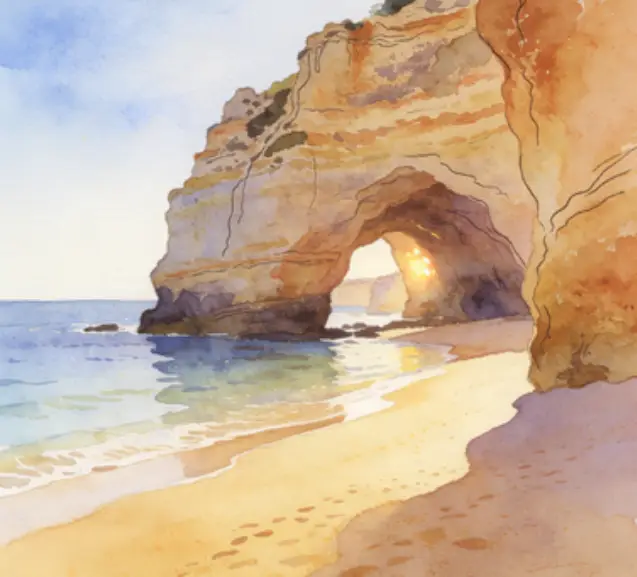
As someone who loves sunshine and coastal landscapes, I’ve always had Europe’s sunny coastlines on my bucket list. This summer, I finally made my way to the Algarve in Portugal—one of Europe’s sunniest regions. From dramatic cliff coastlines to hidden sea caves and soft golden beaches, the Algarve exceeded all my expectations.
In this blog, I’ll share some personal experiences, along with useful tips, transportation options, and some off-the-beaten-path spots that will help you plan a smooth and enjoyable trip to this beautiful region.
Arriving in Algarve: Sunshine, Sea Breeze, and a Slow-Paced Life
The moment I stepped off the plane, I felt the warmth of the Algarve’s sun. It was bright but not overpowering, and the air carried a slight hint of salt from the sea. Unlike the cooler northern European coastlines, the pace here seemed to slow down, inviting you to take a deep breath and relax.
Tips:
- Best Time to Visit: The best time to visit is between May and October, with warm weather and pleasant water temperatures. July and August are the hottest months, but if you love the sun, it’s the ideal time for beach activities.
- Don’t Forget Sunscreen: The Algarve’s sun is strong, and even on cloudy days, don’t skip sunscreen. I recommend SPF 50, a wide-brimmed hat, and sunglasses.
- What to Wear: Light beachwear is perfect, but make sure to bring comfortable walking shoes or slip-resistant sandals. Many of the cliff trails can be a bit steep.
Cliff Coastlines: Stunning Views and Scenic Hikes
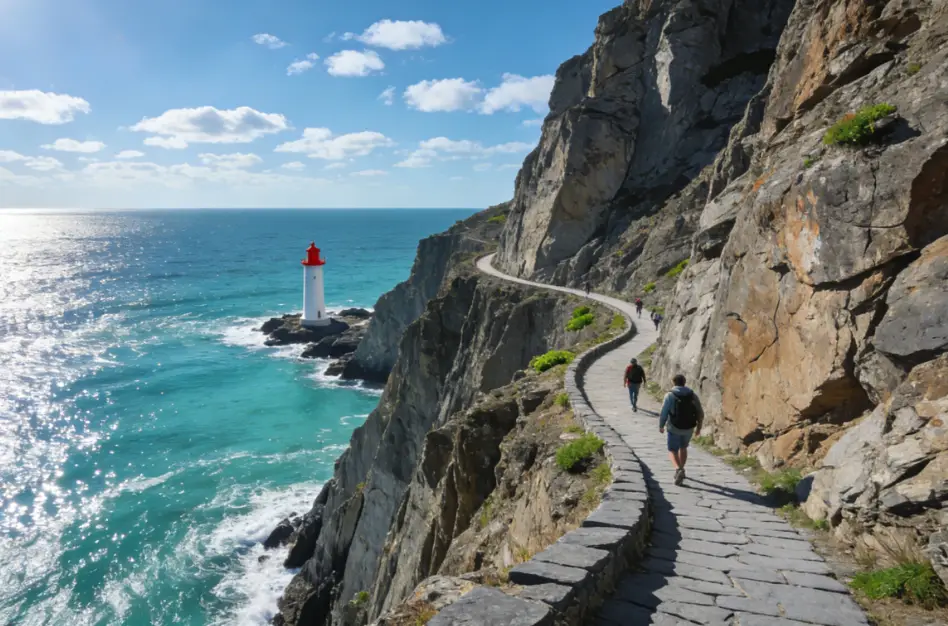
The Algarve is most famous for its dramatic cliff coastlines. My first stop was Ponta da Piedade, a cliff formation near Lagos, which is like something straight out of a postcard. The orange-hued rocks have been smoothed by the waves over time, creating unique caves, arches, and natural bridges. Standing at the edge of the cliff and watching the waves crash against the rocks below was a breathtaking experience.
Routes and Transport:
- Getting There: From Lagos town center, it’s about a 15-minute drive to Ponta da Piedade. If you’re not driving, you can take a bus to Lagos, then walk to the cliffs. Taxis are also available, but make sure to agree on a price beforehand.
- Best Way to Explore: You can hike along the cliffs on the Lagos Coastal Trail. It’s about 3 kilometers long, and it’s a perfect way to take in the views. The trail is relatively easy, but wear comfortable shoes with good grip as it can get a bit rocky in places.
- Off-the-Beaten-Path Tip: For the best photos, try to visit early in the morning or late in the afternoon when the light is softer, and there are fewer tourists around.
Tips:
- Stay Safe: There aren’t many safety rails along the cliffs, and some areas have no barriers at all. Keep your distance from the edge and be cautious when taking photos.
- Best Time for Photos: Early morning or sunset offers the best light for capturing the cliff formations. The soft golden light will make the rock colors pop.
- Hiking: The Lagos Coastal Trail is fantastic, but wear good shoes with a solid grip since some parts can be a bit tricky. It’s a lovely walk with stunning views around every corner.
Hidden Caves: Exploring the Sea’s Secret Wonders
The beauty of the cliffs isn’t just in the views from the top, but also in the hidden sea caves below. Most of the Algarve’s caves can only be accessed by boat, so I joined a small kayaking group to explore them. Paddling along the coast, slipping into caves beneath the cliffs, the water shimmered in shades of green and blue—an otherworldly experience I won’t forget.
Routes and Transport:
- Getting There: The easiest way to explore the caves is by joining a guided boat tour or renting a kayak from Lagos or Albufeira. Many tour companies offer cave exploration trips, typically costing around 40-60 euros per person.
- Off-the-Beaten-Path Tip: If you want a more intimate experience, consider renting a single kayak rather than a group tour. It allows you to explore at your own pace and get even closer to the cave entrances.
Tips:
- Choose a Good Guide: Cave kayaking or boating requires some skill and local knowledge, so be sure to book with a reputable tour operator.
- Waterproof Your Gear: Protect your phone and camera in a waterproof case, as you might get splashed or wet during the tour.
- Water Temperature: The water is around 22–24°C in the summer, which is perfect for a short swim. If you plan on swimming near the caves, bring a light swimsuit or even a wetsuit for extra comfort.
Golden Beaches: Relaxing, Sunbathing, and Seaside Strolls
The Algarve is home to some of the most beautiful beaches in Europe. My favorites were Praia da Marinha and Praia dos Estudantes. Praia da Marinha is tucked beneath towering cliffs with soft, golden sand and clear, turquoise water. Praia dos Estudantes, located near Lagos, is more laid-back and perfect for a leisurely stroll.
Routes and Transport:
- Praia da Marinha: Located in southern Algarve, near Albufeira, it’s a 30-minute drive from the town center. The beach is accessible via a set of steep steps, so be prepared for a bit of a climb.
- Praia dos Estudantes: This beach is located just east of Lagos, and you can reach it on foot in about 15 minutes from the city center. The beach has an iconic archway, a great spot for photos.
Off-the-Beaten-Path Tip:
- Beach Hike and Swim Combo: From Praia da Marinha, you can follow a coastal path to other quieter, less crowded beaches. It’s a peaceful way to explore the coastline while avoiding the bigger crowds.
- Beach at Night: Algarve’s beaches are magical at night. You can lie on the sand, listen to the sound of the waves, and gaze at the stars, all while enjoying the soothing sea breeze.
Tips:
- Avoid Crowds: For quieter beach time, arrive early (around 8-9 AM) or go later in the afternoon when the crowds thin out.
- Bring Snacks and Drinks: While there are small beach kiosks, the prices can be steep, especially near popular beaches. Pack your own snacks and water to save money.
- Beach Gear: Bring an umbrella and a portable beach chair for ultimate relaxation on the sand.
Food and Small-Town Life
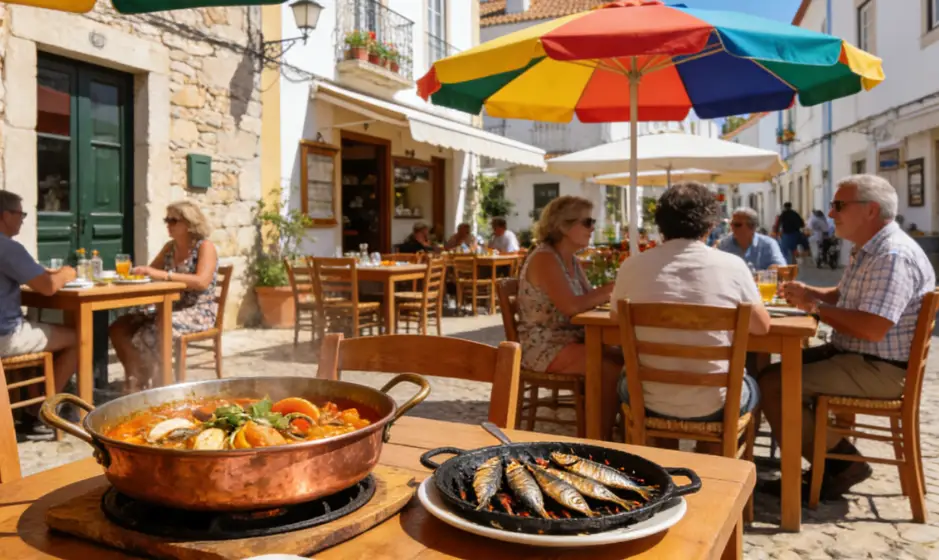
The small towns of Algarve, such as Lagos, Albufeira, and Tavira, are full of life. The restaurants serve some of the freshest seafood I’ve ever tasted. I highly recommend trying the grilled sardines and cataplana—a traditional seafood stew cooked in a copper pot.
Routes and Transport:
- Lagos: The old town of Lagos is a great place to wander. Head to Praça Infante Dom Henrique for some of the best local seafood restaurants, or explore the narrow streets where you’ll find hidden gems.
- Tavira: Tavira is less touristy than Lagos but offers a more authentic Portuguese atmosphere. You can find local restaurants around Praça da República serving fresh seafood and local wines.
Off-the-Beaten-Path Tip:
- Taste Local Wines: Algarve is known for its white wines and fortified dessert wines. Don’t miss a chance to visit a local vineyard for a wine-tasting tour.
- Explore the Alleys: Tavira’s narrow alleys hide cozy cafés and small family-run restaurants where you can enjoy authentic Portuguese dishes.
Tips:
- Meal Times: In Portugal, dinner is typically later than in most other European countries. Restaurants tend to open for dinner around 7 PM, but the real buzz starts around 8 or 9 PM.
- Try Local Pastries: Be sure to try Pastel de Nata (Portuguese custard tarts) from almost any café. Pair it with a strong Portuguese coffee for the full experience.
- Language Tip: Although many people in tourist areas speak English, it’s always appreciated to know a few basic Portuguese phrases like “Olá” (Hello) and “Obrigado/Obrigada” (Thank you).
Transportation and Travel Tips
Renting a car is the easiest and most convenient way to explore the Algarve. While public transport is available between major towns, getting to more remote beaches and caves may require a taxi or private transport.
Tips:
- Car Rentals: It’s best to book your car rental in advance, especially during the summer months, as availability can be limited. The driving here is easy, and the roads are well-maintained.
- Parking: Be mindful that parking near popular tourist spots can fill up quickly. If you’re heading to a well-known beach or cliff, try to arrive early, or use paid parking lots if available.
- Alternative Transport: If you prefer not to drive, public buses and small local tour groups are great alternatives for reaching major attractions.
Final Thoughts: The Magic of Algarve
On my last day in the Algarve, I stood at the edge of a cliff, watching the waves crash against the rocks, and it hit