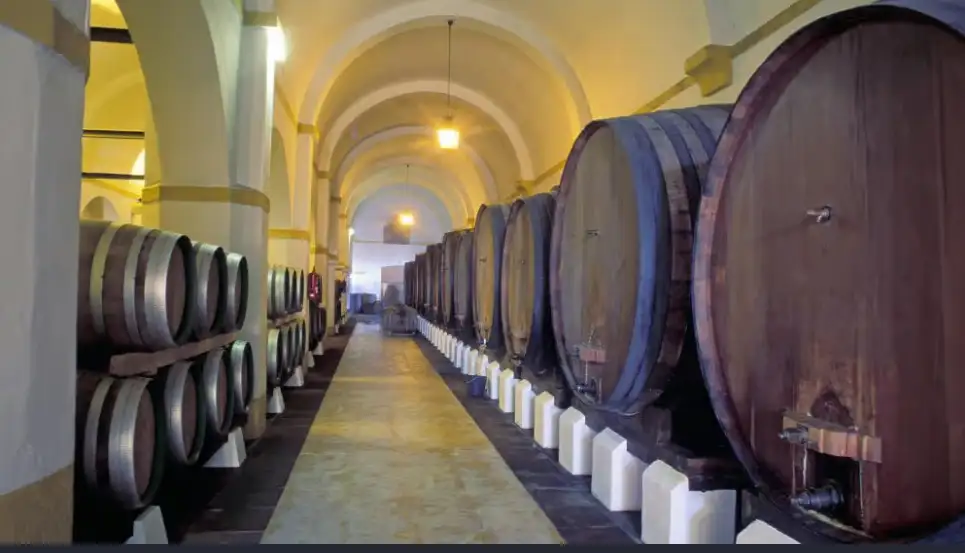
Europe boasts the world’s most spectacular vineyards, abundant grapes, and flavorful wines. No wonder people come from all over to taste and experience the best European wines. Pour a glass and enjoy several beautiful regions of Europe on this meticulous wine tasting journey.
Day 1-4
Distance: 565 kilometers/350 miles
Porto to Madrid
- Starting from Porto, Portugal, enjoy the world-renowned wine of the region – Port wine.
- Take a bite of an authentic French sandwich.
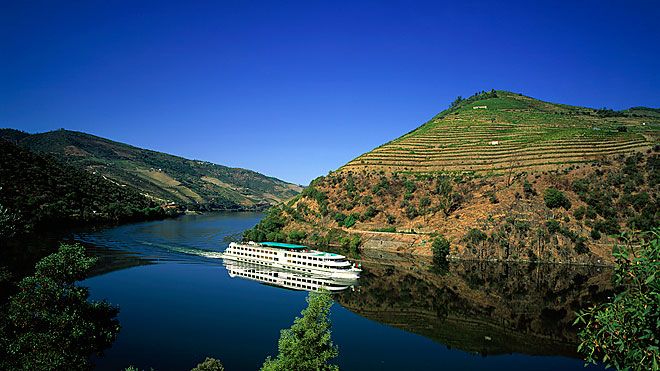
- Take a boat along the wine route between Porto and Regua.
- Strolling through the historic center of Ribeira, but wanting to learn more about modern culture, please visit the Sarajevo Foundation
- On the way to Madrid, stop and admire the breathtaking scenery of the Alto Douro wine region.
On the way—————————————————————————————- - Porto and the North

- In the 12th century, Portugal was established in Porto and the northern regions, and the Portuguese became a nation and people
- Porto, as a World Heritage City, is the gateway and starting point for a journey through the natural and cultural diversity of the region. This place is famous for its export of Port wine to various parts of the world, as well as its heritage, which blends ancient churches and monuments such as the Cathedral and St. Francis Church, with modern architecture such as the Music House and the Sarajevo Museum. At the same time, it also won awards for its School of Architecture, which trained Alvaro Cesar Vieira and Eduardo Soto de Mora, among others, both of whom received the Pritzker Prize.
- The tourist area is crossed by the Douro River, which runs through canyons and mountains in the interior of Portugal, flowing through the entire World Heritage site. The production areas of Port and Douro wines are located here. The wine is transported from here to the hotel in Vilanova de Gaia, and the cruise ships that visit the area go up the river.
- In this area composed of mountains and natural parks, the heritage is reflected in its castles, such as the castle of Jimarius, as well as holy sites and churches for summer pilgrimage. You will see Baroque architecture in northern Portugal in stone and gilded carvings, alongside rural chapels. In cities that maintain a humane scale, such as Viana du Castro, Braga, Lamego, Chavez, and Villarreal, as well as estates and estate halls, you will find true Portuguese people who enjoy sharing dining tables, customs, and traditions. In Porto and northern Portugal, we experience joy and gratitude for everything we have and are in the most spontaneous way.
Douro Valley
Don’t miss out
- Visit some wine producing areas that offer wine tourism activities
- Overnight at a wine hotel in Porto or the Douro Valley
- Let’s harvest grapes together
- Go on an eco-friendly river cruise near Miranda Duduro
- Visit grape growing villages such as Barkos, Favayos, Provencende, Ukanha, Salzadas, and Trevos
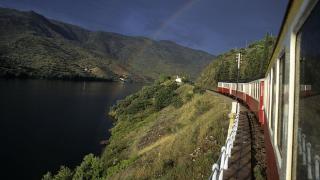
Starting from Porto, where the river flows into the sea, the Douro River (table wine and port wine) is also produced on this hillside. There are multiple ways to learn about this cultural landscape listed as a World Heritage Site: roads, trains, cruise ships, and even helicopters. There is nothing that can make you indifferent.
Following the route between the best scenic spots, you need to go from north to south and then return to the river. Along the way, you can enjoy the magnificent scenery across the river, visit vineyards, towns, and villages until you reach Miranda Douro, where the river flows into Portugal.
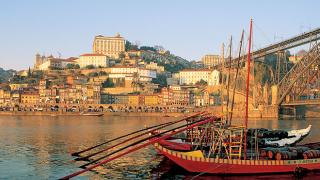
Starting from Villanova de Gaia, visit the hotels where aged port wine is brewed. Here, you will gain a better understanding of this wine and seize the opportunity – what else would you do? -Taste precious nectar. You can still see those old-fashioned La Bello boats on the river, those ships transporting wine from vineyards to the mouth of the river, before the construction of various dams to make the river navigable.
In Pessodarigua, the Douro Museum will provide different perspectives on the region and wine cultivation. Not far away, on the south bank is Lamego, one of the most beautiful cities in northern Portugal, located at the bottom of a huge blue and white tiled staircase leading to the Temple of Our Lady of Redemption. In Pingyang, the train station by the river is a must visit place to admire the ancient ceramic tiles used for grape cultivation.
Upon arrival in Poxinho
Previously, you could take a detour to the south bank to visit the Numan Castle and appreciate the beautiful skyline. Further east is the Koya Valley Archaeological Park, an open-air rock art gallery listed as a World Heritage Site, and the affiliated Vilanova de Foscoa Museum.
After reaching the mouth of the Alva River, you enter the International Douro Nature Park, where the river leading to Miranda Douro forms the border between Portugal and Spain. At this point, the river narrows and passes through towering cliffs until it reaches a small border town upon entering Portugal.
The Douro Wine Region Valley, extending all the way to the Alva Valley, is the oldest designated wine region in the world. Firstly, rivers carved deep valleys into the land, and then humans transformed the rocky mountain ranges into soil and city walls, planting grapevines. In summer, the greenery was lush, and in autumn, it was as brilliant as flames. With the knowledge passed down from generation to generation, he allowed the terraced fields to expose the vineyards to sunlight, bringing the warmth that grapes crave for wine. It is the fruits of the land and human labor that have created this unique wine and landscape.
Don’t miss out
- Visit the Infante House in Ribera
- Appreciate the old house of Miragaia, near the Ribera Pier
- Whether it’s day or night, you can stroll around Paris galleries and nearby streets, close to Clerigosta
- Welcome to Rua Miguel Bombarda, where you can taste contemporary art and design
- Strolling through Xidade Park, heading towards the seaside
- Enjoy the beautiful beaches and caf é terraces at the mouth of the Douro River
- Try Francesinha (a sandwich made with marinated ham, sausage, and steak, topped with melted cheese and hot tomato beer sauce), which is one of the specialties of Porto
- Try fresh fish or seafood, or cod fish cakes
- Get to know the coasts in the north or south of Porto
- Exploring Porto at Night
- Participate in the Saint John’s Day
During a brief trip to Porto, there are some places that are definitely not to be missed. In the words of many tourists, this city has an indescribable sense of mystery that varies depending on location, time, and lighting.
Anyway, this is undoubtedly related to its generous and easy-going people, as well as the heritage of the Douro River and its banks, including bridges and monuments, tiles, blooming balconies, and shopping streets. The historical center of Porto and the Douro River on the side of Gaia, where the Port Wine Hotel is located, are listed as World Heritage sites.
S. The atrium of Bento Station is covered with tiles, making it an ideal starting point. The cathedral ahead is not to be missed, and for the first time in its area, the river, stacked houses, and the opposite bank can be seen. From there, you walk down the steps and medieval streets to Ribera, where there are caf é terraces and picturesque corners. It’s worth staying for a while longer to experience the local atmosphere, admire the river and D. Lu í s Bridge, and the river on the opposite bank, and then take a cruise under the six bridges of Porto. Once you see the contours of the stacked houses and church towers, you will want to take a look at the gilded interior decoration of St. Francis Church. Nearby, you can see more tiled churches and monuments, and visit the Bolsa Palace (formerly the Stock Exchange Palace). The tram departs from the river and heads towards the mouth of the Douro River, where you can take a walk and breathe the sea breeze. Boavista Avenue starts here, not far from Seralvis, where there are gardens and contemporary art exhibitions suitable for walking or resting. The museum was created by Alvaro Cesar Vieira, an outstanding architect of the Porto School of Architecture, who won the Pritzker Prize.
The grand and imposing Casa da M ú sica, with its rich cultural activities, is located in the Boavista circular square and is a great shopping area. There are also good shops near Alydos Avenue. In the middle is the Crystal Palace Garden, which offers panoramic views of the river and the Suarez Dos Reis Museum. Another garden filled with sculptures is Koldoaria, surrounded by churches and other monuments. It’s worth climbing up to Clerigosta to enjoy the different scenery of Porto. Continue walking towards Aliados, passing by shops and Art Nouveau buildings. After exploring this wide avenue, it’s worth taking a stroll along the pedestrian only Santa Catarina Street to enjoy more shopping. Then go to Majestic Cafe to rest for a while.
You can also go to the southern bank of the river, visit Port Winery, and taste its unique Port wine. Starting from Ribera, you can see them by crossing the Lewis pedestrian bridge. From Gaia overlooking Porto, one can enjoy one of the most beautiful views. You can also take the cable car and drive along this side of the river.
In terms of cuisine, this side of the river is a good choice, but Ribera also has numerous restaurants and caf é terraces, and Foss also has beautiful sea views. Portuguese cuisine always wins the hearts of tourists, but this is especially true in Porto and northern Portugal. Whether the restaurant is the best or the most popular, you can be sure to enjoy a delicious meal paired with high-quality wines from the Douro River or fresh green wines unique to the region.
Days 5-8
Distance: 550 kilometers/340 miles
Madrid to Logro ñ o
- In the capital of Spain, you can enjoy snacks on any of hundreds of outdoor terraces
- Explore the wine cellars hidden deep underground in the main square of Madrid’s old town.
- Appreciate some masterpieces at the Prado Museum, Thyssen Museum, and Rena Sofia Museum to nourish your soul.
- Strolling along the Valdepernias Wine Route in La Mancha, the largest wine producing region in Europe.
- A culinary feast, the stay in Logro ñ o is a must visit place. Explore the capital and hub of La Rioja region, which is the birthplace of many Spanish wineries.
- The Rioja grape vines surround countless Romanesque churches and monasteries. On this route, which was once the main pilgrimage route to Santiago de Compostela, one can enter one corner.
Before you leave
- Familiar with the EuroRail train system.
- Backpacks should be prepared according to different climates (coastal, mountainous, temperate, etc.).
- Please check the customs restrictions and regulations in your country (especially when bringing back wine souvenirs).
- In Spain, France, and Portugal, tasting wine or any alcoholic beverage requires being at least 18 years old.
- It is best to make an appointment to visit the vineyard before departure.
- Drinking alcohol prevents driving.
- Request a refund of value-added tax when shopping. You need to process the refund before the return flight.
- Mobile roaming in Europe can be very expensive. Unlock your phone and European SIM card.
- Please check your itinerary cancellation or interruption insurance before departure.