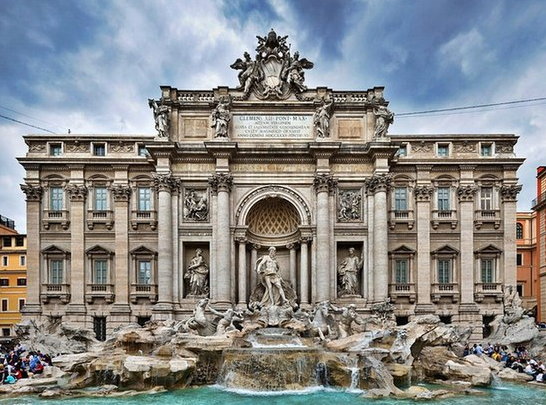
Italy’s blend of history, cuisine, and natural beauty makes it a top choice for Western travelers—but small cultural and logistical nuances can elevate your trip from good to unforgettable. Below are practical, easy-to-follow tips focused on transport, bookings, etiquette, and seasonal planning, tailored to your preferences for efficiency and authentic experiences.
Transport: Skip the Hassle, Embrace Flexibility
Public transport is reliable but requires planning. Trains (Frecciarossa high-speed trains are ideal for long distances between Rome, Florence, and Milan) book up fast—reserve 2–4 weeks in advance for the best fares (save up to 50% vs. last-minute tickets). For rural areas like Tuscany or Umbria, rent a car, but note that historic city centers (ZTL zones) are off-limits to non-resident vehicles—use park-and-ride lots instead. In cities, buses and trams are convenient, but buy a multi-day pass (e.g., Rome’s Roma Pass) to avoid daily ticket lines. Avoid taxis in peak hours; ride-sharing apps like Free Now work in major cities.
Bookings: Prioritize Key Experiences Early
Western travelers value efficiency—don’t leave top attractions to chance. For iconic sites (Colosseum, Vatican Museums, Uffizi Gallery), book timed-entry tickets online 1–3 months ahead (especially June–August). Many museums offer “skip-the-line” options—worth the small premium to avoid 2+ hour waits. For popular restaurants (e.g., Florence’s Trattoria Dall’Oste), reserve 1–2 weeks in advance, specifying if you prefer outdoor seating (Italians love al fresco dining). If you’re visiting coastal spots like the Amalfi Coast, book hotels and ferry tickets 3+ months early for summer travel—accommodation fills fast and prices spike.
Etiquette: Blend In, Show Respect
Italians appreciate travelers who honor their customs. Dress modestly for churches (shoulders and knees covered—pack a lightweight scarf for quick coverage). Meal times are sacred: lunch is 12:30–2:30 PM, dinner 8:00–10:30 PM. Don’t rush meals—Italians savor dining, so avoid asking for the check immediately. Tip 10% for good service (not mandatory, but appreciated); leave cash, as adding tips to credit card bills is unusual. Greet locals with “buongiorno” (morning/day) or “buonasera” (evening)—a simple gesture goes a long way. Avoid loud conversations in public spaces, especially in historic sites.
Seasonal Adaptation: Pick the Right Time for Your Vibe
- Spring (March–May): Ideal for mild weather (10–20°C) and fewer crowds. Perfect for hiking in Tuscany or exploring coastal towns before summer rush. Pack layers—nights can be cool.
- Summer (June–August): Hot (25–35°C) and busy. Head to the Amalfi Coast or Sardinia for beaches, but book early and stay hydrated. Escape midday heat with siestas (many shops close 1–4 PM) or indoor activities like museums.
- Fall (September–November): Pleasant temperatures (15–25°C) and harvest season. Enjoy wine tastings in Tuscany or truffle hunts in Umbria. Crowds thin after October, making it great for city exploration.
- Winter (December–February): Cool (5–15°C) but charming. Cities like Rome and Florence are quiet, and Christmas markets (e.g., in Bolzano) are magical. Ski in the Dolomites—less crowded than Western European resorts. Pack a warm coat and waterproof shoes.
Follow these tips to navigate Italy with ease, respect local culture, and make the most of your trip. Whether you’re chasing art in Florence, savoring pizza in Naples, or relaxing on the coast, Italy rewards preparation—so plan smart and embrace the “dolce vita” pace. Buon viaggio!