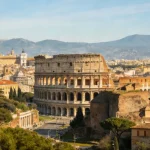
Rome is a city that needs no introduction. From the Colosseum and the Pantheon to the churches and piazzas scattered throughout, this city carries over two thousand years of history. For many Western travelers, Rome is the top choice for a first-time visit to Italy; however, it can also be a source of confusion regarding transportation, accommodation, and budgeting.
This guide is designed specifically for independent travelers, offering a systematic breakdown of transportation, neighborhoods, and realistic budgets from a practical perspective. It aims to help you build a clear concept of your trip before you depart, ensuring a smoother and more confident journey.
🗺️ I. Understanding Rome’s Urban Layout (Why Planning Matters)
Rome is not a modern “planned” city; it expanded naturally over millennia. This means:
- 🚶♂️ Narrow streets: The city center is full of cobblestones and tight alleys.
- 🏛️ Dense ruins: Ancient sites are everywhere, which limits where subway stations can be built.
- ⏳ Deceptive distances: Attractions may look close on a map, but actual walking times are often underestimated.
- 👉 Pro Tip: For first-timers, understanding the layout of the city is more important than just listing attractions.
✈️ II. Getting to Rome: Airports and Long-Distance Transit
🛬 Main Airports
- Fiumicino Airport (FCO): Italy’s largest international airport. Most long-haul flights from the US and Europe land here. It features clear English signage and excellent facilities.
- Ciampino Airport (CIA): Primarily serves budget airlines. It is smaller and best suited for travelers familiar with European regional transit.
🚆 Transport from FCO to City Center
| Mode of Transport | ⏱️ Time | 💶 Price | Best For |
| Leonardo Express | ~32 mins | ~€14 | First-timers, heavy luggage |
| Regional Train | 45–60 mins | ~€8 | Those familiar with transfers |
| Airport Bus | 50–70 mins | €6–8 | Budget-conscious travelers |
| Official Taxi | 40–60 mins | Fixed €50 | Groups or night arrivals |
⚠️ Reminder: Always use the white official taxis and avoid private drivers offering “deals” inside the terminal.
🚇 III. Rome City Transportation Guide
🚇 Metro (Subway): Simple but Functional
The Rome Metro currently operates three main lines:
- Line A: Vatican, Spanish Steps.
- Line B: Colosseum, Termini Station.
- Line C: Mostly suburban; less useful for typical sightseeing.Characteristics: Few lines but easy to navigate; stations are older and can be crowded during peak hours.
🚌 Buses and Trams: Filling the Gaps
- Dense network covering areas the Metro cannot reach.
- Occasional delays are common.
- 👉 Recommendation: Use Google Maps or Citymapper for real-time routing.
🚶♀️ Walking: The Best Way to Experience Rome
The Historic Center (Centro Storico) is perfect for exploring on foot:
- Pantheon → Piazza Navona: ~5 minutes
- Trevi Fountain → Spanish Steps: ~10 minutes
- 🛑 Note: Wear comfortable, non-slip walking shoes for the cobblestones.
🏨 IV. Where to Stay (Safety × Convenience × Budget)
📌 Key Factors to Consider
- Proximity to a Metro station.
- Street lighting and safety at night.
- Distance for dragging luggage.
- Proximity to major landmarks.
💰 Budget Accommodations
- Termini Station Area: Most convenient for transport with many options.
- ⚠️ Note: Neighborhood quality varies significantly; check recent reviews. Best for backpackers or short layovers.
💼 Mid-Range (Highly Recommended for Western Travelers)
- Trastevere: Famous for restaurants and bars. Vibrant atmosphere, lively at night, and generally safe.
- Pantheon / Piazza Navona: The heart of the tourist area. Most sights are within walking distance. Prices are higher, but you save significantly on transit time.
🏨 High-End Accommodations
- Spanish Steps (Piazza di Spagna): The luxury shopping district. High-quality hotels and the most expensive room rates.
💸 V. Rome Travel Budget Breakdown
📊 Average Daily Cost (Per Person)
- Accommodation: €30–250+ (Depending on type)
- Dining: €25–50
- Transportation: €5–10
- Attraction Tickets: €10–20
- 👉 Total: Approx. €80–200 / day
📅 Estimated Budget by Trip Length
| Days | 💰 Budget | 💼 Mid-Range | 🏨 High-End |
| 3 Days | €250–400 | €400–650 | €900+ |
| 5 Days | €400–600 | €700–1,000 | €1,300+ |
| 7 Days | €600–900 | €1,000–1,400 | €1,800+ |
⚠️ Note: These are average estimates; prices rise during peak season.
🌦️ VI. Seasons and Budget Impact
- Spring (Apr–May): Pleasant weather, moderate prices.
- Summer (Jun–Aug): Hot, most crowded, highest accommodation prices.
- Autumn (Sep–Oct): Beautiful weather, ideal for in-depth exploration.
- Winter (Nov–Feb): Fewest tourists, lowest prices.
⚠️ VII. Practical Travel Tips (Often Overlooked)
- Dress Code: Churches require shoulders and knees to be covered.
- Safety: Watch your belongings in crowded tourist areas (pickpockets).
- Hydration: Rome’s public fountains (nasoni) provide free, drinkable cold water.
- Tipping: Not mandatory; usually based on the quality of service.
✅ VIII. Make Rome an Enjoyment, Not a Stressor
Rome is a city to be experienced slowly, not a checklist to be rushed. By understanding the transport, choosing the right neighborhood, and setting a realistic budget, you can minimize uncertainty and focus on enjoying the historical and cultural charm of the Eternal City.