Tuscany: A Renaissance Dream Beyond Time 🌅
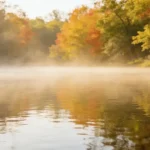
Tuscany is more than a mere region; it is a centuries-old Renaissance dream held in suspension. From the terracotta rooftops of Florence to the mist-veiled cypress alleys of the Val d’Orcia, time here does not simply pass—it pays homage to the harvest and the golden hour.
For the modern traveler, the challenge lies not in finding beauty, but in choosing which kind of beauty to immerse oneself in. This guide is curated for the “Slow Traveler”—the soul who prefers a dusty stroll through a vineyard over a crowded museum queue. 🍷
I. The Geography of the Soul: Choosing Your Base 📍
Tuscany is vast. Attempting to “see it all” in a week is a novice’s error. Instead, lean into the distinct personalities of its sub-regions:
- Val d’Orcia: The Postcard Landscape 🖼️ South of Siena, this is the Tuscany of your imagination: rolling clay hills (Crete Senesi), lonely chapels, and the world’s finest Pecorino cheese.
- Vibe: Romantic, cinematic, serene.
- Best for: Photographers, couples, and road-trip enthusiasts. 🚗
- Chianti Classico: The Vine-Clad Hills 🍇 Stretching between Florence and Siena, this rugged, forested terrain is carpeted with Sangiovese vines.
- Vibe: Sophisticated, rustic-chic, world-class gastronomy.
- Best for: Oenophiles and lovers of medieval stone villages.
- Maremma: The Wild Frontier 🐎 Tuscany’s southern coast. Home to the Butteri (Italian cowboys), pristine beaches, and Etruscan ruins.
- Vibe: Untamed, off-the-beaten-path.
- Best for: Returning visitors and nature lovers. 🌿
II. The “Slow Road”: A Seven-Day Road Trip Checklist 🗺️
This itinerary perfectly balances “must-sees” with “hidden gems.”
Days 1–2: Medieval Craftsmanship in Siena & Chianti 🏰
- The Hub: Start in Siena. Avoid the midday heat by visiting the Duomo di Siena at opening; its floor mosaics are, as Vasari claimed, “the most beautiful in the world.”
- The Scenic Route: Drive the SR222 (Chiantigiana) toward Castellina in Chianti. It is widely considered one of Europe’s most stunning drives.
- Exclusive Experience: Book a tour at Castello di Ama—not just for the wine, but for the world-class contemporary art installations hidden in the cellars. 🎨
Days 3–5: The Golden Heart (Val d’Orcia) ✨
- The Hub: Base yourself in Pienza, the “Ideal City” designed by Pope Pius II.
- The Icon: Head to San Quirico d’Orcia at dawn. The valley mists create a surreal, ethereal atmosphere. ☁️
- The Thermal Escape: Skip the pricey spas. Head to Bagni San Filippo. Look for the “White Whale” (Balena Bianca), a massive calcified formation where hot sulfur springs create natural blue pools in the forest. 🛁
Days 6–7: The Edge of the Renaissance 🏛️
- The Hub: Montepulciano. Higher, windier, and more dramatic than its neighbors.
- Architectural Pilgrimage: Visit the Temple of San Biagio at the foot of the hill. Its perfect symmetry against the greenery is the pinnacle of High Renaissance design.
- The Farewell: Watch the sunset at La Foce. The gardens here—a masterpiece of Italian and English landscape design—overlook the famous zigzagging cypress road. 🌲
III. The Tuscan Kitchen: A Culinary Manifesto 🍝
In Tuscany, luxury is measured by the quality of olive oil, not the thread count of your sheets. 🫒
- Pici all’Aglione: The signature pasta of the south. Hand-rolled thick noodles paired with a sauce made from Aglione—a giant “kissing garlic” found only in this valley. It has all the aroma without the pungency.
- Bistecca alla Fiorentina: Not just a steak, but a ritual. Sourced from ancient Chianina cattle, it must be at least three fingers thick and grilled over oak charcoal. 🥩 Note: Ordering it “well-done” is a social faux pas; it is meant to be enjoyed al sangue (rare).
- Cinta Senese: A specific breed of pig from the Sienese woods. Look for it on charcuterie boards—it is the “Wagyu of pork.” 🥓
- The Olive Oil Rule: If you visit in November, you are in the presence of “Green Gold.” Freshly pressed Tuscan oil is peppery and vibrant green. It will ruin supermarket oil for you forever.
IV. Hard Truths: Driving, Logistics, & Etiquette ⚠️
To navigate like a local, you must avoid the “Tourist Traps” (Trappole per Turisti).
- Car is King (But a Burden) 🏎️
- ZTL Zones: Every historic town has them. They are camera-monitored restricted areas. Rule of thumb: If you see a stone arch or medieval wall, park outside. Look for the blue “P” for Parcheggio. 🅿️
- Strade Bianche: Don’t fear the “White Roads.” These gravel paths lead to the most secret vistas. Just ensure your rental insurance covers gravel and glass. 💎
- The Italian Bar Code ☕
- Coffee: Italians never drink milk-based coffee (Cappuccino, Latte) after 11:00 AM, believing it hinders digestion. Post-lunch, order a Caffè (Espresso) or a Macchiato.
- Payment: While cards are widely accepted, always carry €20–50 in cash for small villages or snacks at a “Bar.” 💶
- The Afternoon Riposo 💤
- From 1:30 PM to 4:30 PM, towns go quiet. Shops close; streets empty. Don’t fight it. This is your time for a long, boozy lunch or a nap under an olive tree.
V. Insider Tips for the Seasoned Traveler 💡
- Best Photo Spot (GPS): 43.0639, 11.5587. These are the Cypress Clumps of San Quirico. Arrive 30 minutes before sunset. 📸
- Wine Strategy: Don’t just buy “Brunello.” Look for Rosso di Montalcino. It’s the “little brother”—same grapes, often same vineyards, but aged for less time. It’s half the price and much more drinkable on a hot summer afternoon. 🍷
- The Perfect Souvenir: Instead of trinkets, buy a bottle of Vin Santo (Holy Wine) and a bag of Cantucci (almond biscotti). The tradition is to dip the biscuits into the wine after dinner. 🍪
The Art of Doing Nothing ✨
The Italians have a phrase: Dolce Far Niente—the sweetness of doing nothing. The biggest mistake Western travelers make is over-scheduling. Leave a Tuesday afternoon completely blank. Sit in a piazza in San Quirico, watch the old men debate politics, and let the Tuscan sun do the rest of the healing.