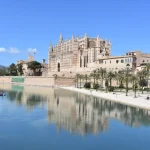
Mallorca is the largest island in Spain’s Balearic Islands and an irreplaceable Mediterranean paradise in the hearts of European and American travelers 🌴. It boasts not only turquoise, crystal-clear bays (Calas) but also the Serra de Tramuntana mountain range—a UNESCO World Heritage site—and the historically rich capital, Palma 🏛️.
Whether you are a seeker of ultimate luxury or an adventurer who loves outdoor hiking, Mallorca has something to meet your expectations. This article will provide the most detailed pre-trip planning advice from three major dimensions: transportation, accommodation, and budget planning 📝.
I. Mallorca Transportation Guide: How to Explore the Island Efficiently? 🚗
Your choice of transportation will directly determine your travel experience. While the island is not massive, the terrain is diverse, ranging from flat plains to rugged mountain sections.
1. Car Rental (Top Recommendation) 🔑
For most travelers, renting a car is the freest and most convenient way to explore Mallorca.
- Advantage: Reach hidden beaches (like Cala Varques or Sa Calobra) and mountain villages that public transport can’t access.
- Advice: Demand for car rentals in the summer of 2026 remains high; it is recommended to book at least 3–6 months in advance ⏳.
- Road Tips: Mountain roads (especially toward Cap de Formentor) are narrow with many hairpin turns; novice drivers should be extra careful. Additionally, parking in downtown Palma is extremely difficult in summer; choose accommodation that includes parking 🅿️.
2. Public Transport (TIB Bus & Train) 🚌
If you are on a budget or prefer not to drive, Mallorca has one of the most comprehensive island public transport systems in Spain.
- TIB Bus (Red and Yellow): The mainstay for intercity travel. Departing from Palma’s Intermodal Station, you can reach most major towns on the island.
- Payment: Now supports contactless credit cards/mobile payments (Tap and Go) across all lines, which is cheaper and more convenient than buying single tickets 💳.
3. Special Experience: Tren de Sóller 🚂
This is a ceremonial sightseeing route connecting Palma with the town of Sóller. Vintage wooden carriages wind through citrus groves and tunnels, offering the best way to experience the island’s historical atmosphere.
II. Where to Stay: Which Area Should You Choose? 🏡
- Palma: The Hub of Culture and Life 📍
- Best for: Culture lovers, foodies, and travelers not planning to rent a car.
- Highlights: The charming alleys of the Old Town (Casco Antiguo) and the spectacular Santa Maria Cathedral.
- Northwest: Sóller & Deià ⛰️
- Best for: Romantics, honeymooners, and hiking enthusiasts.
- Highlights: Nestled between mountains and sea, featuring traditional stone houses and a strong artistic vibe.
- North Bays: Port de Pollença & Alcúdia 🏖️
- Best for: Family trips and cyclists.
- Highlights: Long, shallow beaches perfect for children; also a world-class training ground for professional cycling teams.
III. 7-Day/6-Night Classic Self-Drive Itinerary 🗺️
- Day 1: Arrival in Palma 🛬 Visit the Cathedral (La Seu) and enjoy Tapas in the La Lonja district 🍷.
- Day 2: West Coast Mountain Villages 📸 Wander through Valldemossa and visit Deià for a seaside dinner in the afternoon.
- Day 3: Sóller and Port Journey 🍊 Take the vintage tram to Port de Sóller to watch an amber sunset.
- Day 4: Northern Splendor 🔭 Visit the Old Town of Alcúdia, then head to Cap de Formentor, the northernmost tip of the island.
- Day 5: Southeastern Hidden Coves (Calas) 🌊 Go snorkeling and sunbathing at Cala Llombards to enjoy the jelly-like water.
- Day 6: Underground Wonders 🕳️ Visit the famous Caves of Drach (Cuevas del Drach) for a classical concert on one of the world’s largest underground lakes.
- Day 7: Last-minute Shopping & Departure 🛍️ Shop for local handicrafts (like leather goods) before heading to the airport.
IV. A Taste of the Mediterranean: Must-Eat Foods 🍴
- Local Specialties
- Ensaimada: The most iconic pastry of Mallorca—a spiral-shaped, powdered sugar treat that is crispy outside and soft inside 🥐.
- Sobrassada: A cured, spiced raw sausage paste; most authentic when spread on local handmade bread 🥖.
- Coca de Trampó: A traditional vegetable flatbread, the most popular light meal in summer 🥗.
- Dining Tip 💡Look for restaurants called “Cellers.” These are typically converted from old wine cellars and serve the most authentic Mallorcan stews and roast suckling pig.
V. Budget Planning: How Much Does a Trip Cost? 💰
Estimated average daily spending per person for 2026:
| Category | Budget (EUR) | Mid-range (EUR) | Luxury (EUR) |
| Accommodation | €60 – €100 | €150 – €300 | €500+ |
| Dining | €30 | €70 | €150+ |
| Transport | €10 | €40 (Rental) | €100+ |
| Total Daily | €100 – €140 | €260 – €410 | €750+ |
VI. Frequently Asked Questions (FAQ) ❓
- Q1: What is the ideal duration for a trip?
- A: 7 days (one week) is recommended to balance urban culture, mountain hiking, and beach relaxation 🗓️.
- Q2: Is Mallorca expensive?
- A: Slightly higher than mainland Spain, but still lower than London or Paris. A lunch set (Menú del día) is roughly €15–€25 🍲.
- Q3: Is it convenient to travel without a car?
- A: Yes. The TIB buses can get you to most major towns, but reaching certain remote “secret coves” will be difficult 🚌.
- Q4: Is Mallorca safe?
- A: Very safe! Crime rates are low, making it ideal for solo travelers and families 🛡️.
VII. Conclusion & Final Tips 🌟
Mallorca is an island worth visiting time and again. It offers both the frenzy of parties and the serenity of monasteries. Remember to pack sunscreen and comfortable walking shoes, as the best views are often hidden behind the narrow alleys of old towns and rugged cliffside paths 👟.
We hope this guide helps you plan an unforgettable Mediterranean getaway!